The organist shortage in 2026: causes, extent and how churches find solutions today
The key points at a glance
- In Germany, around 60 organist positions that need to be newly filled each year are met by only about 35 graduates – a growing structural deficit.
- The main causes are the wave of retirements, declining training numbers, structural change within the Church and a lack of early contact with the organ.
- Especially affected are small rural and branch parishes as well as care homes and hospital chapels.
- In the short term, regional organist cooperation and digital organ apps help as reliable stand-ins; in the long term, training support and fair remuneration are needed.
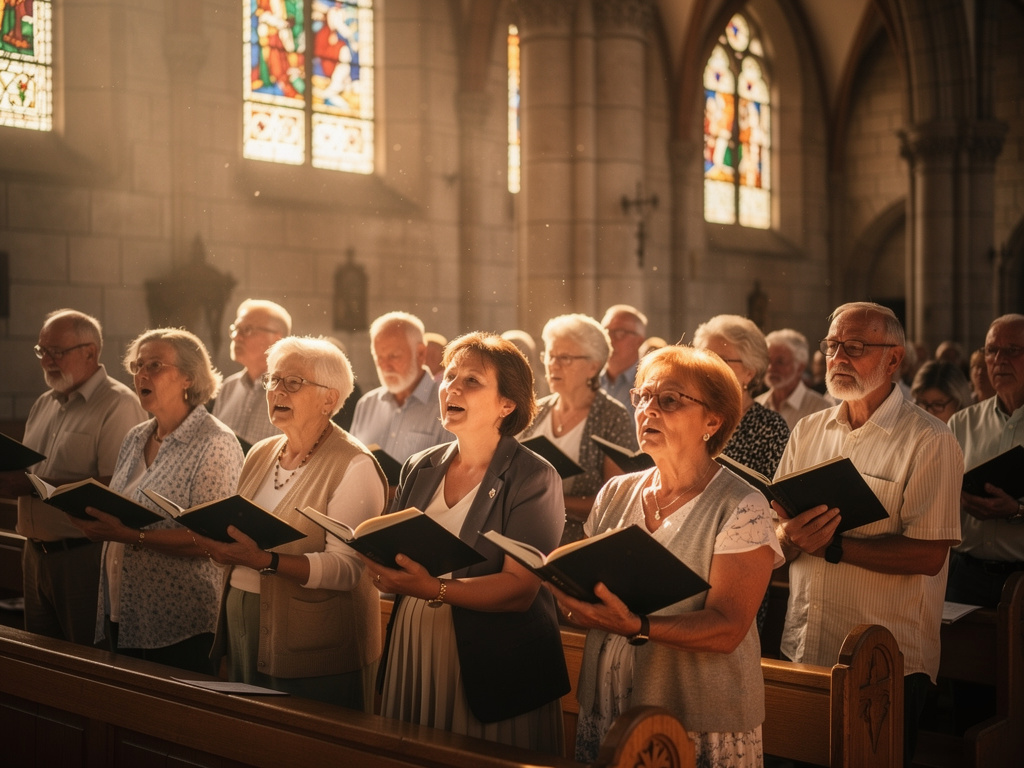
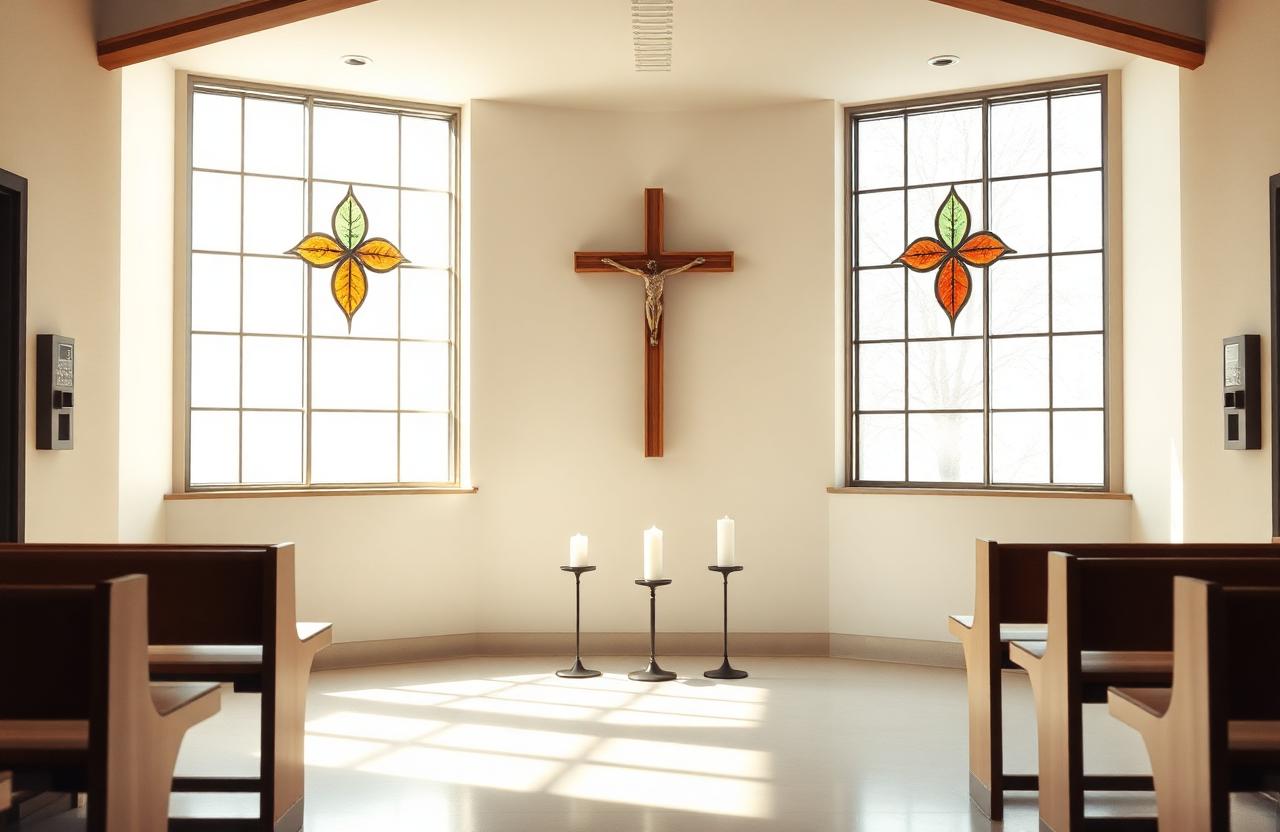
Sunday morning, a small village church in Bavaria. The congregation stands ready, the hymns are handed out – but it stays silent. The long-serving organist has retired. A successor? Despite months of searching, none was found.
In 2026 this scene is no longer an isolated case. The shortage of organists in Germany has reached a critical extent – in Protestant as well as Catholic parishes, in cities as in the countryside, in care homes as in hospitals. The crisis is structural, it is measurable – and it is getting worse.
The bare figures: a structural deficit
Figures make the crisis tangible. Each year, around 35 Protestant church musicians take up their service after completing their studies. At the same time, up to 60 positions have to be newly filled each year – solely because of retirements.
This results in a structural deficit of 25 positions per year – and that only in the Protestant sphere. The wider social situation aggravates matters: at the end of 2025, only 43.8 percent of the German population were still members of one of the two major churches. More than 600,000 people left in 2025 alone. Fewer members mean less church tax – and therefore less budget for professional church musicians.
“For every vacant position there are hardly any qualified applicants left. In many parishes the service simply takes place without organ accompaniment.”
Why are organists lacking? The four main causes
1. Demographic change and the wave of retirements
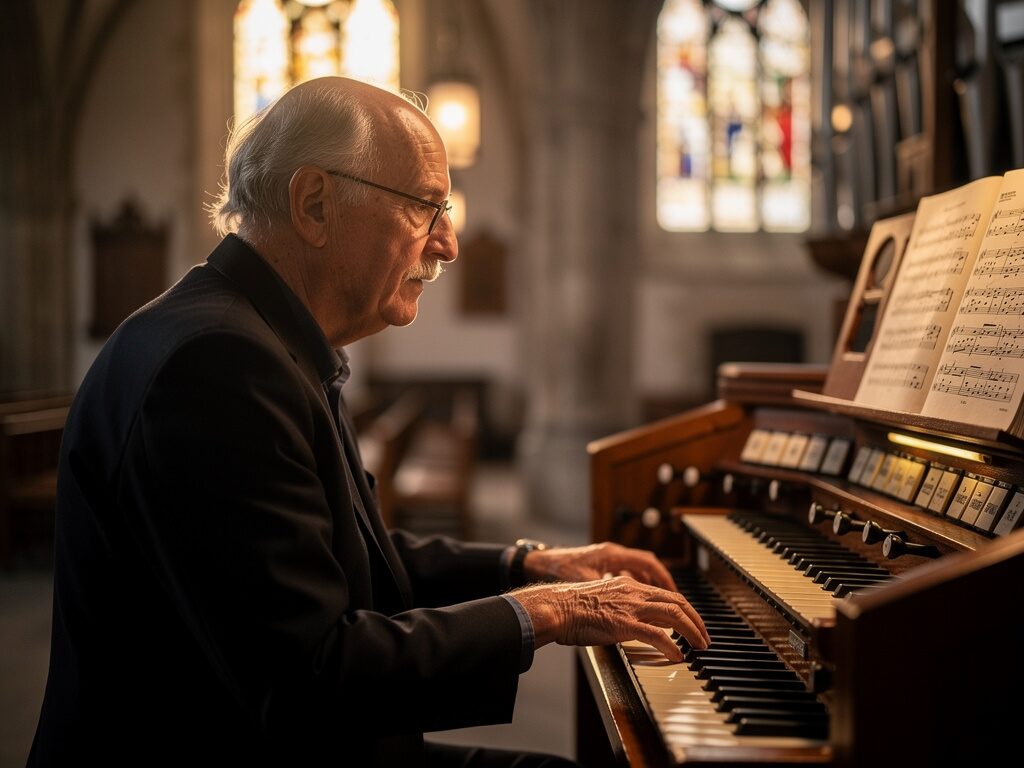
A large proportion of the organists active today are over 60 years old. The coming years will bring a massive wave of retirements – without enough new talent following on. This development was foreseeable, but was structurally ignored for too long.
2. Declining training numbers
Enrolments in church-music degree courses have been falling continuously for years. The course of study is demanding, the pay for part-time organists – so-called C and D positions – often disappointingly low. The church training system distinguishes four levels:
- A examination – the fully professional church-musician career
- B examination – full-time service at regional level
- C examination – part-time service, recognised in all EKD regional churches
- D course – a low-threshold entry point, also for career changers
Even these low-threshold offerings are too little used. Many young musicians choose more attractive career paths.
3. Structural change within the Church
Parishes merge, positions are cut or reduced to part-time. Especially in rural areas, many places of worship can no longer afford a full-time church musician. The number of parishes and congregations has fallen below 9,000 – and the trend continues downwards.
4. A lack of early encounter with the organ
In many schools and families the early encounter with this instrument is missing today. Anyone who does not know the organ does not learn it either. A vicious circle that entrenches the shortage of new talent in the long term.

Who is particularly affected?
The organist shortage does not hit all institutions equally hard. Under particular pressure are:
-
Rural parishes
Long distances, low fees and infrequent services make the positions unattractive. Here the search for organists is the most hopeless. -
Care homes and senior facilities
Singing church hymns together and accompanied organ music have a proven therapeutic value – especially for people with dementia. This important part of care quietly falls away when no organist comes any more. -
Hospitals and hospices
Music-accompanied chaplaincy is part of the core of pastoral care. It disappears when no one is left to play the organ. -
Medium-sized town parishes
In medium-sized towns too, many positions are unfilled or are being bridged by ageing volunteers – for a limited time.
Approaches to a solution: what parishes and institutions can do
Actively support and fund training
Many regional churches offer D and C courses that enable career changers too to get started – often alongside another job, at weekends. Anyone who can play the piano has good prerequisites. Parishes should actively approach music-loving members and cover the course costs in full. An investment that pays off in the long term.
Make remuneration fair and transparent
Part-time organists are often paid below average. Fair, clearly communicated remuneration is not only just – it determines whether someone stays, comes or even considers taking on the position at all.
Build regional cooperation
In some regions several parishes already share an organist. Coordinated service times, clear fee agreements and short distances make such models viable for all sides. Here the dioceses and regional churches can take on a coordinating role.
Digital solutions as a reliable bridge
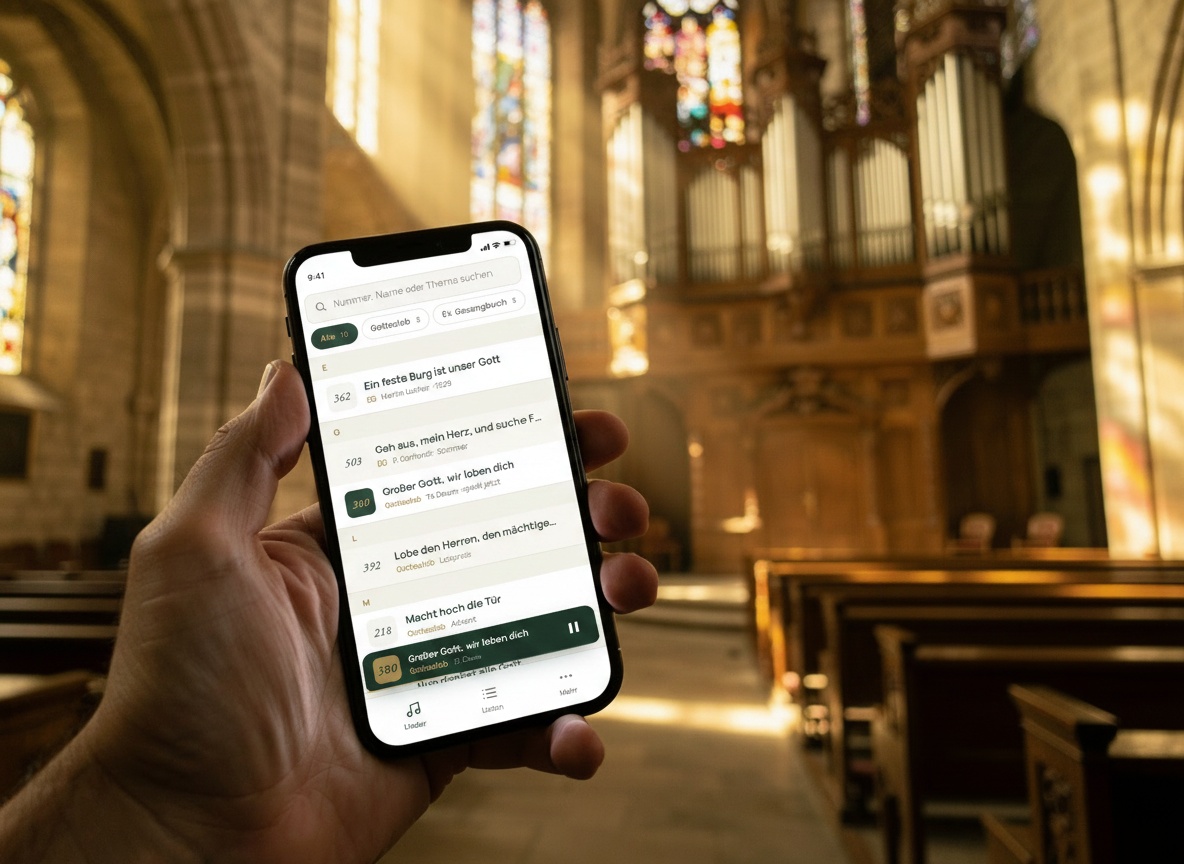
When no organist is available, the service must nevertheless sound. The eKlecia® app was developed precisely for such situations. As a digital organist it makes high-quality organ accompaniment possible via a smartphone or tablet:
- Hymns from the Protestant and Catholic hymnal
- Attuned to the church-year calendar
- Operable by laypeople without prior knowledge – care staff, volunteers, parish leadership
- Available for iOS and Android
eKlecia® is no competition for human church musicians. It is a bridge – for parishes, care homes and hospitals that today have no other option. → Discover all the features of eKlecia®
Project Organ 4.0 – digitalisation as a lifeline
The EKD too has recognised the problem: the project Organ 4.0 makes it possible to control pipe organs with software support and to supplement them digitally. Here digitalisation is not a threat to church music – it is its lifeline.
Church music has a future – if we act now
The organist shortage is real, measurable – and without active countermeasures it will continue to worsen. Parishes, dioceses and regional churches face a threefold task:
- Foster new talent – make training more attractive and more accessible
- Keep existing organists – through fair remuneration and genuine appreciation
- Bridge the transition – with digital solutions such as eKlecia®
Whoever acts today ensures that church music still sounds tomorrow. Not as a museum of the past, but as a living language of the community.
Would you like to find out how eKlecia® can support your institution?
→ All the features of the eKlecia® app
→ Prices and free trial access
→ Solutions for parishes
→ Solutions for care homes & senior facilities
→ Get in touch directly now
Frequently asked questions
How big is the organist shortage in Germany?
Each year up to 60 organist positions have to be newly filled, while only around 35 trained church musicians take up their service. This creates an annual structural deficit that worsens further with the wave of retirements.
What are the main causes of the organist shortage?
Four factors act together: the demographic wave of retirements, declining enrolment numbers in the church-music degree course, structural change with parish mergers, and the lack of early encounter of children and young people with the organ.
Which parishes are most strongly affected?
Above all small rural and branch parishes as well as care homes and hospital chapels, which cannot afford a full-time organist or simply can no longer find one.
What can parishes do about the organist shortage?
In the short term, regional organist cooperation and digital organ apps that reliably step in help. In the long term, more training support and fair, transparent remuneration of church musicians are needed.
Can an app replace an organist?
A digital organ app such as eKlecia® does not replace a living organist, but reliably steps in when none is available – with over 1,000 genuine organ recordings that can be played via smartphone or tablet.