May You Play Organ Music in a Church Service? What Is Permitted – and What Is Dignified
The key points in brief
- Organ music from a recording is long-established practice in many parishes – a strict prohibition, as a rule, does not exist.
- What matters is not the „whether" but the „how": dignity, genuine organ sound and being woven into the flow of the service.
- A rigid CD simply runs – an app is started at the right moment, as by an organist, and adapted to the congregation.
The organ is silent, the congregation waits – and someone quietly wonders: are we actually allowed simply to play the hymns? The question is more understandable than it sounds. And its answer has less to do with prohibitions than with dignity.
When the organ bench stays empty
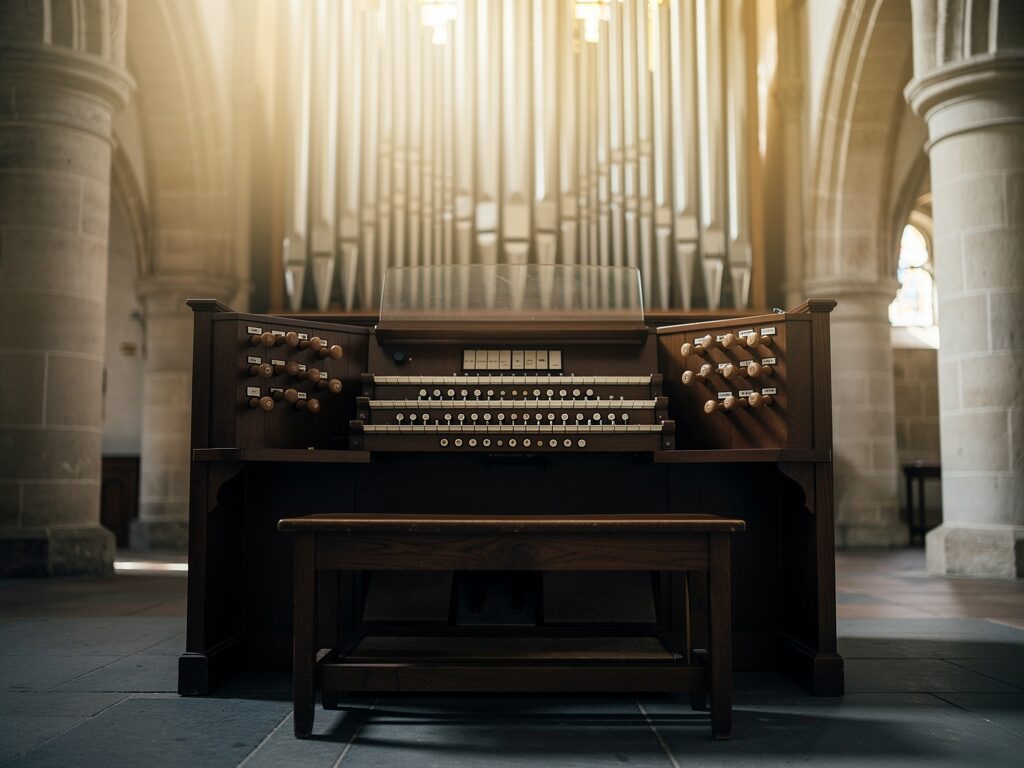
In more and more parishes the organ bench stays empty on weekdays, in branch churches or at short-notice occasions. Over 40% of church-music posts in Germany are vacant, and in rural areas in particular there is often no one left who could step in. The service, however, is meant to take place – with dignity, with music, with the singing of the congregation.
And so in many sacristies the same question arises: can't we simply play the hymns? It is not a convenient question, but an honest one. Whoever asks it wants to do it right.
Is it even permitted to play recorded music in a church service?
The short answer: as a rule, yes. In funeral halls and cemetery chapels, music from a recording has long been customary, and in churches too parishes reach for a recording when no organist is available. A general prohibition under canon law on using recorded music in a service does not normally exist.
Dioceses and regional churches mostly regard recorded music as what it is: a help when the alternative would be silence. At the same time they advise measure and dignity – music in a service is service to the celebration, not background noise. Because attitudes vary from region to region, when in doubt a brief word with the parish, the deanery or the responsible liturgy commission is worthwhile. That way everyone is on the same page.
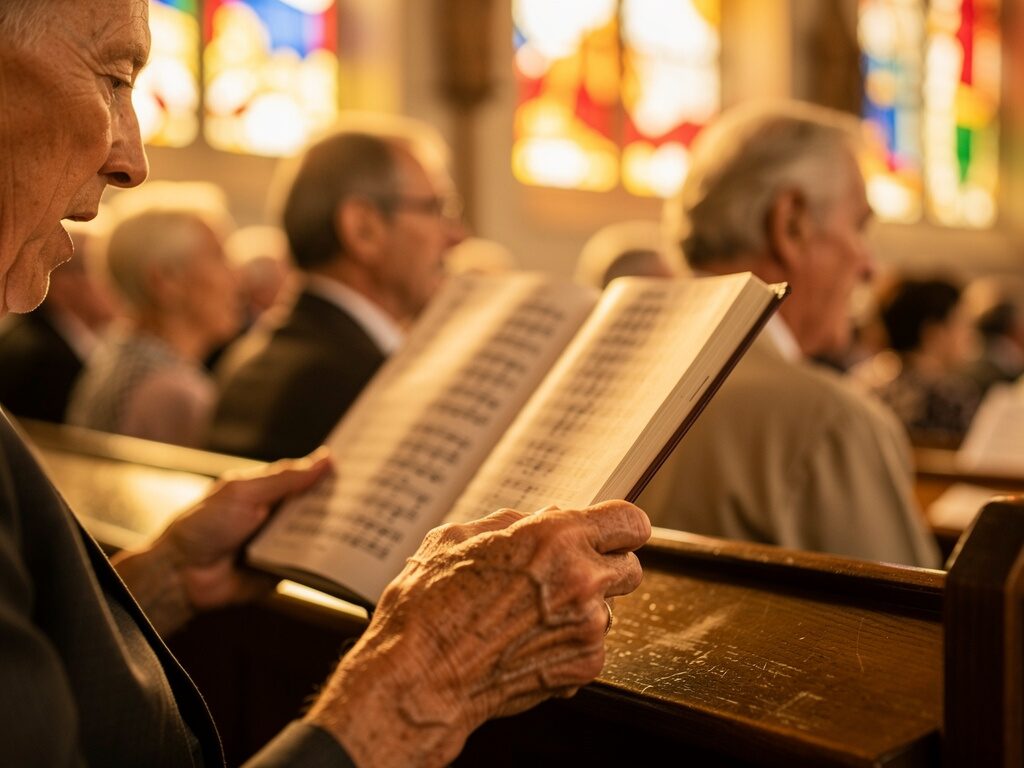
One point remains central: the congregation should be able to sing along. It is not about a concert from a recording, but about carrying the shared singing – just as the organ has done for centuries.
Canned or living accompaniment – the fine but decisive difference
Here lies the real heart of the matter. A CD is rigid: it begins, runs and ends – regardless of whether the congregation still needs another verse, the processional takes longer or the priest pauses for a moment. It is precisely this that quickly makes recorded music feel „canned". It rides roughshod over the flow instead of following it.
An app, by contrast, is operated as by an organist: a person starts each hymn at the right moment, chooses the right number of verses and adapts the tempo to the singing. The music responds to the celebration instead of dictating it. That is the difference between a recording that simply runs and an accompaniment that breathes along.
What it takes for recorded organ music to stay dignified
Whether recorded organ music carries the service or disturbs it comes down to a few things:
- Genuine organ sound. Recordings played by hand on real pipe organs sound like church – warm, full, familiar. This sound touches where thin background music merely fills.
- A decent loudspeaker. The finest sound only carries if it is transmitted well. An existing church sound system or a solid speaker is usually entirely sufficient.
- Someone to operate it. A person who starts the hymns in the moment – the sacristan, a volunteer helper or the priest himself. That keeps the music alive.
- Embedded in the liturgy. At the right time, at the right length, with room for the singing of the congregation. That is how „playing music" becomes a dignified accompaniment.
eKlecia® – the digital organist when there is no longer one
Over 1,000 hymns from the Gotteslob and the Evangelisches Gesangbuch, played by hand on real pipe organs – and operated like playing the organ: started at the right moment, with adjustable number of verses and tempo. What that looks like in a service is shown by the features; specially for parishes there is the overview eKlecia® for parishes.
How a service with the app works
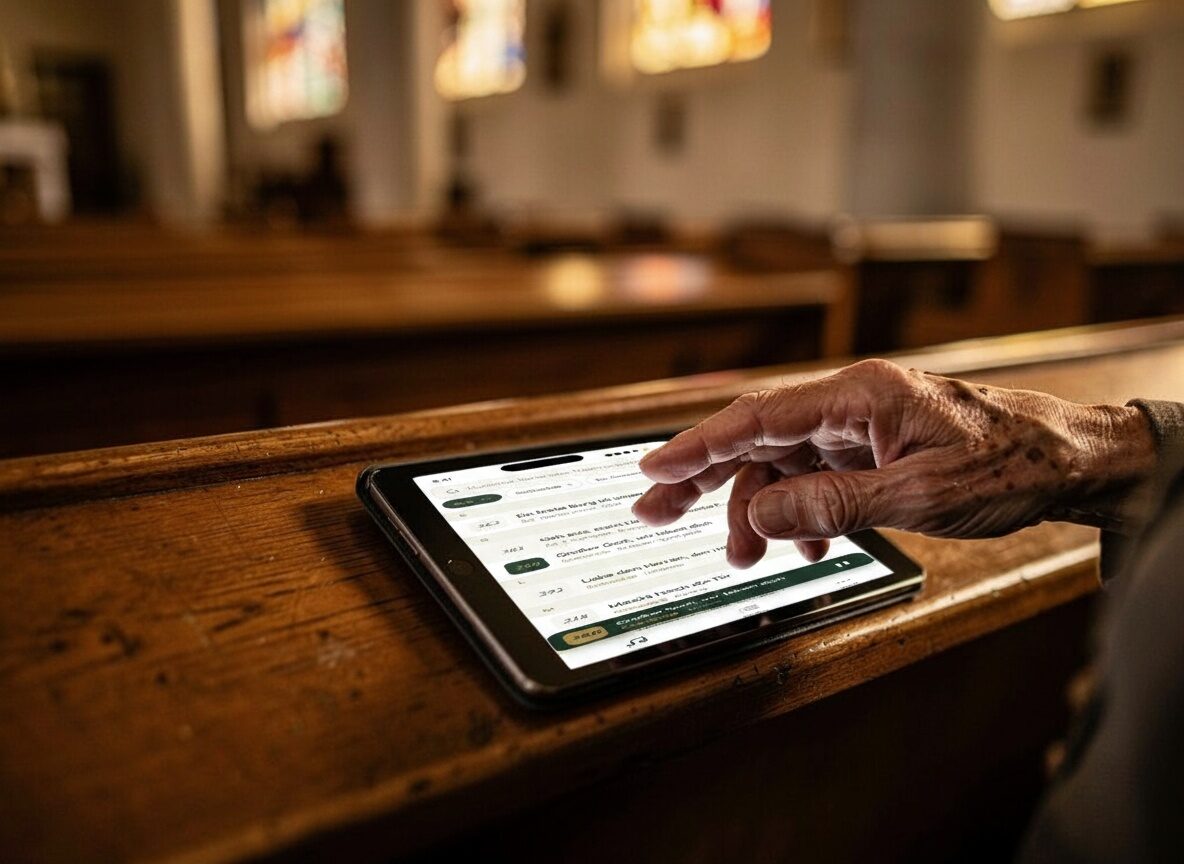
In practice it is unspectacular. Beforehand – at the desk or in the sacristy – the hymn plan is put together: opening, intermediate songs, closing hymn, in the desired order. During the service a tablet or smartphone then lies ready, connected to the church's sound system or a mobile speaker.
Whoever operates it needs no technical knowledge: after each hymn the app returns to the list by itself, a tap starts the next. In this way the sacristan, a volunteer helper or the priest himself leads the music – at the celebration's own pace, with as many verses as the congregation needs.
No one noticed that no organist was sitting up in the gallery – only that the church was full of sound again.
That is precisely the difference from a canned recording: the music remains in the service of the celebration, not the other way round. Which hymns are available is shown by the hymn list with over 1,000 chants from the Gotteslob and the Evangelisches Gesangbuch.
Conclusion: it is not about being allowed, but about how
Playing organ music in a service is permitted almost everywhere – the real question is whether it happens with dignity. A rigid CD rarely does it justice. An app operated in a living way, with genuine pipe-organ sound, comes astonishingly close to the essence of the organist's service: it carries the singing, follows the flow and fills the church again with the sound that belongs there.
Anyone who wants to know more about the background will find it in our article on the organist shortage 2026. And when it comes to funeral services, read Funeral service without an organist.
No organist in your parish?
Try eKlecia® and hear how genuine pipe-organ sound carries your service once more – even without an organist.
eKlecia® for parishes →Frequently asked questions
May you play organ music from a recording in a church service?
As a rule, yes – a general prohibition under canon law does not normally exist; in funeral halls and when an organist is missing it has long been customary. Dioceses and regional churches mostly see it as a help and advise dignity and measure. Since attitudes vary from region to region, when in doubt you clarify it briefly with the parish or the liturgy commission.
Isn't recorded organ music in a service undignified?
That depends on how it is done. Recordings played by hand on real pipe organs, over a decent loudspeaker, started by a person at the right moment and embedded in the flow of the service, are dignified. Thin background music from a rigid CD, by contrast, quickly feels arbitrary.
What is the difference between a CD and an organ app?
A CD runs rigidly, no matter what the celebration needs at that moment. An app is operated as by an organist: each hymn is started at the right moment, the number of verses and the tempo can be adjusted – the music follows the service instead of riding roughshod over it.
Can the congregation sing along to recorded organ music?
Yes, that is exactly what it is there for. Because the tempo and the number of verses can be adjusted, the music carries the shared singing – just as the organ has always done.
More articles
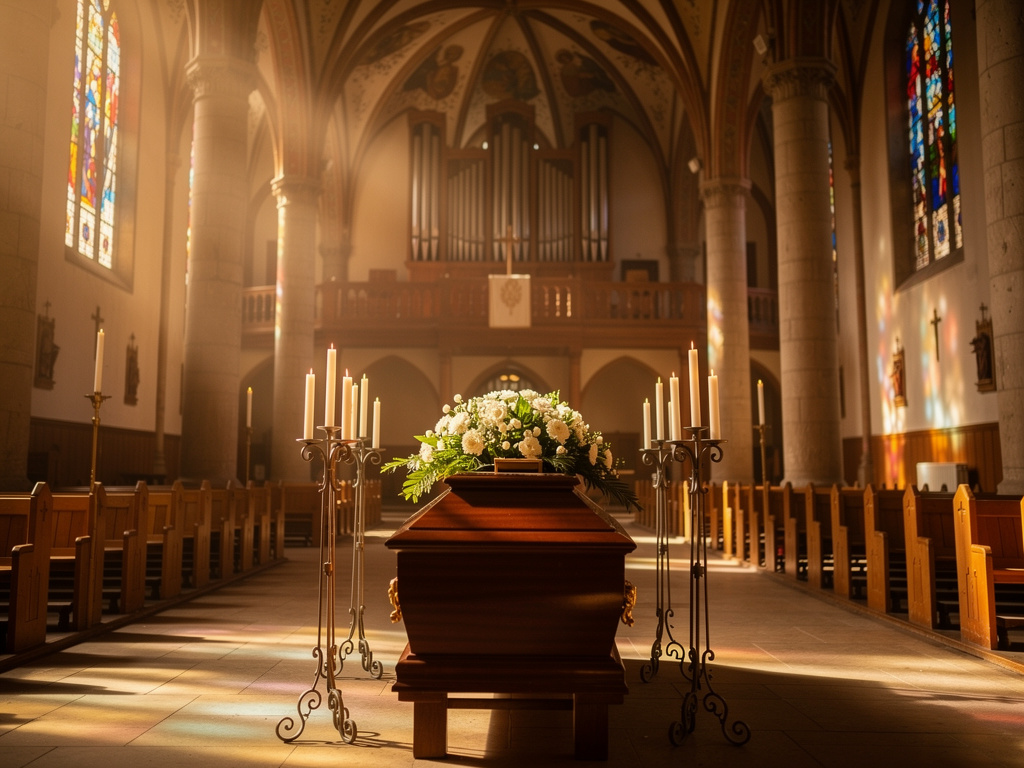
Funeral Without an Organist — Dignified Music in Difficult Moments
Advent Hymns for the Church Service: the most beautiful hymns with Gotteslob and EG numbers